I want to examine a teaching
Open one focused question. See what Watch Tower teaches, what Scripture establishes, where interpretation begins, and why it matters for Christ.
Explore the studiesBring your questions. We will open Scripture, place the New World Translation beside faithful translations and original-language evidence, distinguish fact from inference, and keep returning to Jesus Christ as Scripture reveals him: fully divine, crucified, risen, Savior and Lord.
These are starting points. Move between them whenever you need to.
Open one focused question. See what Watch Tower teaches, what Scripture establishes, where interpretation begins, and why it matters for Christ.
Explore the studiesPrepare one sincere question, listen carefully, and preserve the relationship without pretending that serious doctrinal differences do not matter.
Prepare a conversationFind a quiet place to separate God from organizational control, return to the gospel, and move carefully through fear, grief, identity, and faith.
Find solid groundNo governing body, church, teacher, or ministry creates truth or stands above examination. That includes this ministry. Open the text, ask hard questions, and test everything.
The living and true God sends the Son and receives everyone who comes through him. Jeremiah 10:10 ; John 7:28 ; 17:3
The eternal Word is not a created angel. He is the way, the truth, and the life who makes the Father known. John 1:1–18 ; 14:6
He teaches, testifies about Christ, guides, gives life, and dwells in every believer. John 14:17, 26 ; 15:26 ; 16:13–15
Begin with a diagram, timeline, comparison, or study companion image. Every visual remains connected to the biblical passages and documented evidence it summarizes.
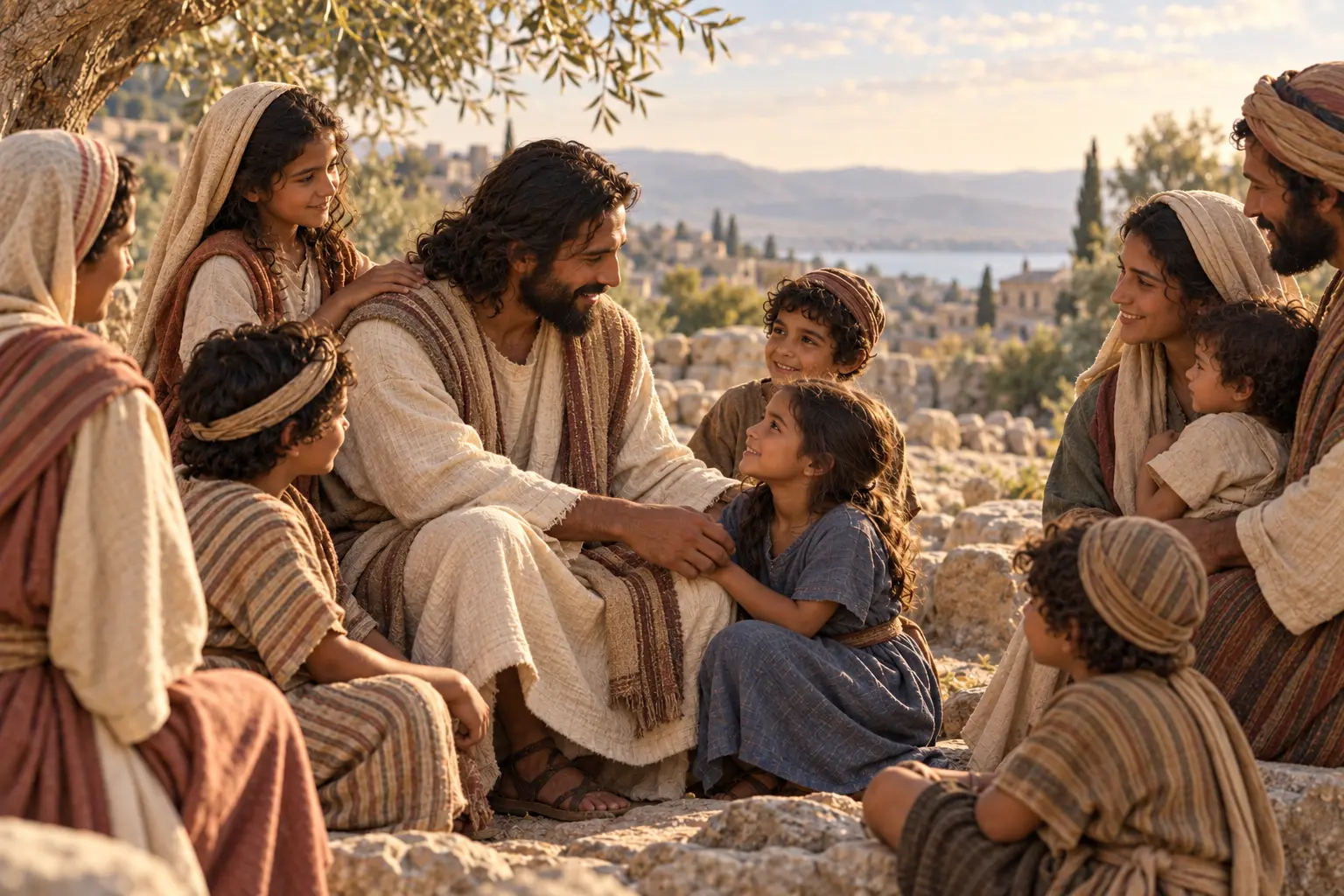 Study companion imageJesus welcomes and protects the vulnerable
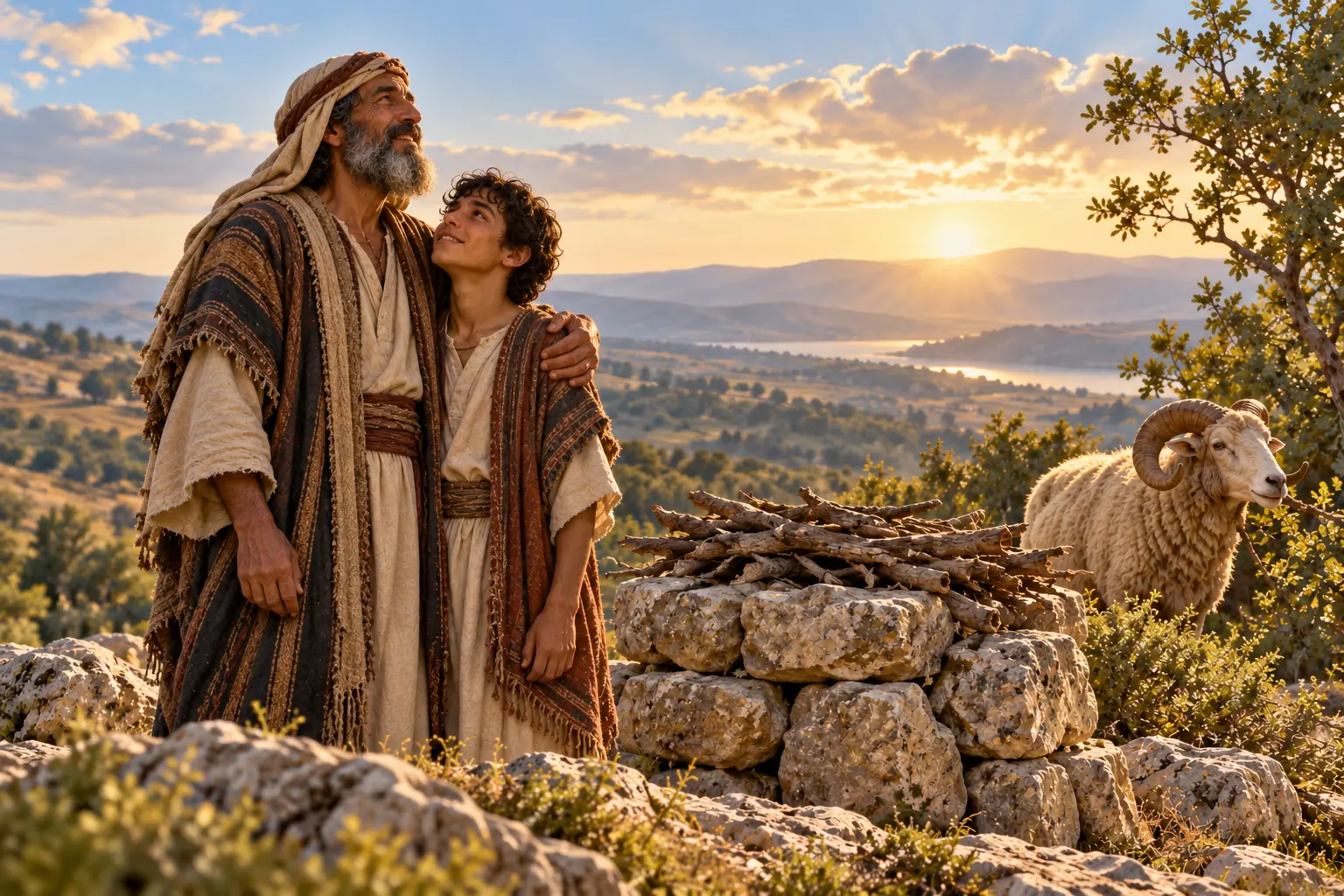 Study companion imageThe Akedah ends with divine provision
The pictured scenes are artistic meditations using regionally plausible Levantine features and complexions. They are not presented as historical evidence or exact reconstructions.
The Christian hope is more beautiful than survival. Everyone who belongs to Christ shares one hope: forgiveness now, the Spirit's presence, bodily resurrection, renewed creation, and unbroken fellowship with the Father, Son, and Holy Spirit forever.
Read in context: John 17:1–3, 20–26 ; Romans 8:14–25 ; 1 Corinthians 15:20–28, 42–58 ; Ephesians 4:1–6 ; Revelation 21:1–7 ; 22:1–5
Each study separates direct evidence, interpretation, prayerful theological inference, and conclusion, then shows the wider Scripture thread supporting each major claim.
The gospel begins with God's grace in Christ, not organizational standing, spiritual class, or accumulated religious performance.
Romans 3:21–28 ; 5:1–11 ; 1 Corinthians 15:1–8 ; Ephesians 2:1–10
Open the studyThe crucified Jesus was raised in a transformed, embodied life. The empty tomb, his wounds, and his physical encounters belong to the apostolic gospel.
Luke 24:36–49 ; John 2:18–22 ; 20:24–29 ; Acts 2:22–32 ; 1 Corinthians 15:1–28, 35–49
Open the studyNo verse explicitly identifies Jesus as Michael; Hebrews 1 distinguishes the Son from every angel and presents him as their Lord.
Hebrews 1:1–14 ; Daniel 10:13 ; Jude 9 ; 1 Thessalonians 4:16 ; Revelation 12:7
Open the studyJohn distinguishes the Word from the Father while describing the Word with the nature and identity of God.
John 1:1–18 ; Isaiah 9:6 ; John 20:28–31
Open the studyThe strongest case is cumulative agency: speaking, willing, teaching, interceding, and being grieved. It does not depend on a shortcut based on masculine pronouns.
Acts 5:1–4 ; 13:1–4 ; Romans 8:26–27 ; 1 Corinthians 12:11 ; Ephesians 4:30
Open the studyJesus states the condition in broad language; the question is whether the context limits it to a heavenly ruling class.
John 3:1–21 ; Romans 8:12–17 ; 1 Peter 1:3–5
Open the studyQuestioning an organization is not abandoning God. You do not have to settle every question today. Jesus invites you to come to him, and you may move at an honest pace.